advocacy ·
breastfeeding ·
givingback ·
health ·
lifestyle ·
parenting
All About Breastfeeding
Saturday, October 06, 2018


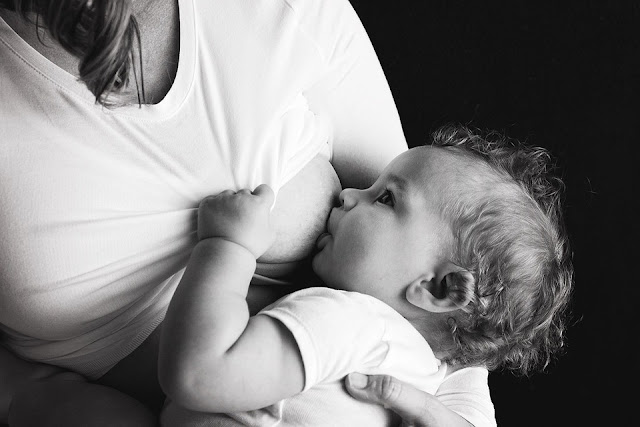
Exclusive breastfeeding of infants rate in the Philippines is only at 48.8% in a survey conducted in 2015. This is slightly lower compared to the 52.3% in 2013.
In response to the global campaign to promote breastfeeding, the Mother-Baby Friendly Philippines was launch.
Mother-Baby Friendly Philippines is a two-year project of World Vision Development Foundation, Inc. (WVDF) in partnership with Department of Health (DOH) whose goal is to improve the implementation of EO 51 (the Philippine Milk Code 1986) and RA 10028 (Expanded Breastfeeding Promotion Act 0f 2009 ) and to ensure the well-being of children.

Dr. Anthony Calibo from the Department of Health emphasizes that the responsibility to uphold the breastfeeding rights of mothers is not just the responsibility of concerned organizations and government sectors but is also the responsibility of the general public. He said that if a mother is investing herself for the betterment of the future of her child, then she is also investing in the betterment of the future of the country.

During the Mother-Baby Friendly Philippines Mommy Forum held last October 2, 2018, Ms. Erika Padilla was introduced as the World Vision Breastfeeding Ambassador.
"It is a huge sacrifice. It is difficult, painful, and a lot of work. But definitely worth every single drop because I see my son getting stronger and healthier every day.", shared Erika. Erika has pre-eclampsia during pregnancy and his son was born prematurely.

Why is breastmilk is best for babies?
- Breastmilk contributes to mother's birth spacing and recovery from childbirth
- Breastmilk protects infants from infection
- Breastmilk is free and complete food source for the first six months
- Breastfed babies are found to have higher IQ
The laws about breastfeeding in the Philippines that you need to know
Executive Order 51: The Philippine Milk Code of 1986
Ang EO 51 ay ibinatay sa International Code of Marketing of Breastmilk Substitutes na nagtitiyak ng ligtas at sapat na nutrisyon para sa mga sanggol sa pamamagitan ng pangangalaga at pagtataguyod ng pagpapasuso ng ina at ang pagsisiguro sa tamang paggamit ng breastmilk substitute o anumang pamalit sa gatas ng ina.
Republic Act 7600: The Rooming-in and Breastfeeding Act of 1992
Ang Republic Act 7600 ay ang polisiya na nagbibigay ng proteksyon at suporta sa pagpapasuso ng sanggol sa pamamagitan ng pagkakaroon ng kapaligiran kung saan ang pangunahing pangangailangang pisikal, emosyonal, at sikolohikal ng nanay at ng kaniyang anak ay masisiguro sa pamamagitan ng pagsasagawa ng rooming-in at breastfeeding.
Republic Act 10028: The Expanded Breastfeeding Promotion Act of 2009
Kahit tapos na ang maternity leave ng isang ina, dapat ay tuloy-tuloy pa din ang pagpapasuso sa sanggol. Ang Republic Act 10028 ay nagbibigay ng mandato sa lahat ng establisimyento, pampubliko o pribado, na suportahan ang pagpapasuso ng ina sa pamamagitan ng:
- paglalaan ng pasilidad o lactation station sa kanilang pinapasukang kumpanyan kung saan maaaring magpasuso o mag-express ng gatas
- pagbibigay ng lactation break sa mga nanay na nagpapasuso
Alam mo ba....
na hindi dapat bumaba sa 40 minuto ang lactation break bukod pa sa regular na lunch break at coffee/snack break, ang ilalaan sa bawat araw
 |
| (L-R) Carleneth San Valentin, Health and Nutrition Technical Programme Manager of World Vision Development Foundation; Erika Padilla, World Vision Breastfeeding Ambassador; Dr. Anthony Calibo, Department of Health; Mommy Celebrity Influencers Camille Prats-Yambao and Jennica Garcia-Uytingco |
To learn more about the policies and laws on breastfeeding and to know how you can support the Mother-Baby Friendly Philippines, visit https://mbfp.doh.gov.ph/ or download the MBF PH app available in iOS and GooglePlay.