mental health
Showing posts with label mental health. Show all posts

La Union LGU lead PLDT, Smart’s inclusive mental health initiatives

Monday, April 24


PLDT and Smart supported the Provincial Government of La Union’s capacity-building mental health program through the Psychological First Aid (PFA) training. 

“Digital wellness is one of our key advocacies in PLDT and Smart. We are privileged to partner with the Provincial Government of La Union as they create a safe, inclusive space for mental health in their own communities. We hope that through this PFA training, we continue to champion mental health and cultivate a culture of empathy and kindness – both online and offline,” said Stephanie V. Orlino, AVP and Head of Stakeholder Management at PLDT and Smart. 

Through the training, around 50 participants from various sectors were trained and mobilized as psychological first-aid volunteers, including senior citizens, barangay healthcare workers, provincial and city health officers, disaster resilient unit officers, among others. 

“Mental health has always been an advocacy that is close to my heart, and I am very grateful to PLDT and Smart for helping us strengthen our mental health program in the province. We hope that by raising awareness and mobilizing our sector representatives that we are able to champion safe spaces for mental health in the different communities across the province,” said Joy R. Ortega, Sangguniang Panlalawigan of La Union Board Member. 

The volunteers are trained to communicate with distressed individuals in a conversational and gentle manner and provide and non-intrusive, practical care during difficult times.

During the training, Riyan Portuguez, more popularly known as “Your Millennial Psychologist”, discussed the basics of PFA, through its Look, Listen and Link principle. She underscored the importance of providing a safe space for individuals to express themselves. 

“When we communicate with distressed individuals, we must be comfortable in the silence. We must allow them to feel their emotions and feelings,” Portuguez said. 

According to Portuguez, another component of PFA is practicing self-care. “As PFA volunteers, you must honor your feelings. Practice self-compassion and forgive yourself by recognizing your own mistakes and your own lapses,” Portuguez said.

PLDT and Smart continue to deploy programs and innovations designed to uplift and improve the overall physical and mental wellness of Filipinos. 

These initiatives are part of PLDT and Smart’s continuing commitment to help the Philippines contribute to the United Nations Sustainable Development Goals (UNSDG), particularly UNSDG #3 that stands for good health and well-being.

Read More

Encephalitis patients are at a high risk of suicide and self-harm

Tuesday, February 28

Encephalitis

Encephalitis patients are at a high risk of suicide and self-harm, two new, ground-breaking research papers, published for World Encephalitis Day 22nd February 2023, have identified. 

The two papers, from authors in the UK and Mexico, reveal important statistics relating to suicide, self-harm and mental health. 

The UK paper titled ‘Mental health outcomes of encephalitis, an international web-based study,’ which was written by a team of leading specialists including senior author Dr Tom Pollak of Kings College London and published on a pre-print platform, surveyed 445 respondents from 31 countries and found that 37.5% of survivors of Encephalitis reported they had thought about or attempted (4.4%) suicide.

The summary and recommendation of the paper was; ‘Overall, the large international survey indicates that psychiatric symptoms following encephalitis are common. Overall, these results highlight a need for increased provision of proactive psychiatric care for these patients and represent a call to action for increased research on mental health outcomes of encephalitis so that this patient group can be better supported. Given the treatment-responsiveness of many mental health symptoms and diagnoses, this is likely to represent a global opportunity for reducing morbidity and mortality in this challenging condition.’

While ‘Suicidal thoughts and behaviors in Anti-Nmdar Encephalitis: Psychopathological features and clinical outcomes’ published in the Journal of Neuropsychiatry and Clinical Neurosciences, by a group of leading specialists including senior author Jesus Ramirez-Bermudez, gained data from 120 patients with a headline outcome being 12.5% of patients had suicidal behaviours during early stages of the illness with nearly half (5.83%) carrying out a suicide attempt.

Within the papers’ conclusions it was noted; ‘According to our study, suicidality is not uncommon during the acute phase of ANMDARE, including both first episodes and relapses. Clinicians must be aware of this potentially lethal risk, particularly in those presenting with symptoms of psychotic depression. Although the persistence of suicidal thoughts and behaviors after immunotherapy is rare, we encourage a long-term risk assessment for suicidal and no suicidal self-directed violence throughout the different stages of the disease’.

Both papers have been released in association with the Encephalitis Society to help raise awareness of World Encephalitis Day which takes place on 22nd February 2023. 

CEO of the Encephalitis Society and co-author on both papers Dr Ava Easton said: “These impactful and important research papers raise awareness that suicidality can be a not uncommon and serious manifestation of encephalitis in the early stages as a result of the illness, during relapses, and perhaps later in people’s journey of recovery. 

“We want anyone affected by encephalitis and mental health problems, including thoughts of suicide and self-harm, to know that symptoms are often highly treatable and help and support are available from the Encephalitis Society wherever they live in the world.

“World Encephalitis Day is a focal point for our global community who have been affected or impacted by Encephalitis. On this very important day we want to project unity, common ground and offer support while we raise awareness.”


Mental Health & Encephalitis

Mental health issues, self-injurious thoughts and suicidal behaviours following encephalitis may occur for a number of reasons: the direct biological effects on the brain of their encephalitis during the early stages when people are very poorly; as a result of disease-related psychological or physical consequences or disability: impaired self-image, limited social life, reduced financial security, dependency on others, pain, substance use; or as an adverse effect of treatments given to help with the encephalitis itself or its consequences.

Psychiatric symptoms and syndromes have been less investigated than neurological deficits and symptoms in autoimmune encephalitis patients which means that these symptoms may likely be underdiagnosed in this patient group. Thus there is a need for more research addressing the breadth, nature, causes and impacts of psychiatric symptoms in patients who have had encephalitis.

A 2020 study in Denmark found that suicide rates in patients diagnosed with a neurological disorder were significantly higher (nearly double) that of people not diagnosed with a neurological disorder (44 per 100,000 person-years compared to 20.1 per 100,000 person-years). In encephalitis specifically they found the suicide rate to be nearly double that of people without the diagnosis of a neurological disorder (39.7 per 100,000 person years).

For more information about encephalitis and World Encephalitis Day, visit this link.


What is Encephalitis? 

Encephalitis is an inflammation of the brain. It is caused either by an infection invading the brain (infectious encephalitis) or through the immune system attacking the brain in error (post-infectious or autoimmune encephalitis).

In many countries the condition has a higher incidence than motor neurone disease (MND/ALS), bacterial meningitis and multiple sclerosis (MS) and affects one person every minute globally, ye 77% of people do not know what it is. This lack of awareness leads to delays in diagnosis, treatment and poorer outcomes for patients.

Also on World Encephalitis Day

In order to shine a light on this important global topic, famous landmarks and buildings around the world will be lit red for World Encephalitis Day. Over 170 landmarks in more than 30 countries including Niagara Falls, the Jet D’Eau in Geneva, BBC Television Centre in London, The Optus Stadium in Australia, and the Dancing House in Prague. For a full list of buildings going #Red4WED, visit https://www.encephalitis.info/wed-landmark

BrainWalk is our fun step challenge which asks supporters to walk, jog, or run as many steps as possible throughout February while raising money for the Encephalitis Society. Individuals and organisations are invited to enter a total step goal for February as they battle it out to the top of the BrainWalk leaderboards. This is a challenge you can take part in wherever you live in the world and whatever your fitness level. To coincide with our World Encephalitis Day campaign, we are encouraging those participating in BrainWalk to walk to their nearest landmark that has been lit up red for encephalitis. If you would like to take part in BrainWalk, please visit https://www.brainwalk.org/

Read More

Grassroots esports teams play to help feed the hungry, break stigma on mental health


Who would have thought that a mobile game tournament could be an opportunity to change lives?

For GameLab and Redlist, winning the recent GIGA Arena Street League, an esports tournament powered by Smart Communications, Inc. (Smart) allowed them not only to showcase their skills in Mobile Legends, but also to extend help to those in need.

“Even if we are just playing, we are still able to help different communities who need our support. This event also opened a lot of doors for us and enabled us to enter the professional scene in Mobile Legends,” said Mark Ferry “Dokmen” Nazar, captain of GameLab.

GameLab was able to donate 325 kilos of sustainably grown rice worth P20,000 to Rise Against Hunger Philippines (RAH). The rice is sourced from rice growers in Santa Cruz Occidental, Mindoro supported by Smart’s ‘Buy Local’ program, who are practicing climate-smart and eco-friendly farming system.

RAH and Smart have been partners since December of last year through the “Rice Together!” program to help feed over 19,000 families in Manila, Pasig, and Laguna.

“Everybody has a role to play in addressing hunger. It is very heartwarming to know that the youth are also getting involved, because we are normally supported by big corporations. This donation will go a long way to feed many families,” said Jomar Fleras, Executive Director, Rise Against Hunger Philippines.

Third placer Redlist chose the Youth for Mental Health Coalition, a group of youth advocates that work to elevate the Filipino youth’s consciousness on mental health and end the stigma on mental illness, as their beneficiary. “Mental health is a very important part of our life. Because of the pandemic, this has become one of the biggest issues among the youth,” said Elmer Christian Dela Merced, team captain of Redlist.

Redlist was able to donate seven (7) Smart Bro Pocket Wifi devices worth P10,000 with P1,000 worth of load cards that can be used by the organization to conduct trainings and activities for the youth.

“We would like to thank Redlist and Smart for this very generous gift. This will help us achieve our mission to raise the consciousness on mental wellness and end the stigma. Paulit-ulit naming sinasabi na ang kalusugang pangkaisipan ay isang kritikal na public health issue, hindi ito nabibigyan ng pansin. Wala mang pisikal na anyo, kinakailangan nating pangalagaan ang ating mental health dahil ito ay apektado at nakakaapekto sa ating pangkalahatang wellness,” said Ms Benica Ventilacion, Vice Chairperson for Finance and Legal Support, Youth for Mental Health Coalition. [We have always reiterated that mental health is a critical public health issue, and it does not get much attention. Even if it is not tangible, we need to take care of our mental health because it can affect our overall wellness.]


Empowering the Filipino youth

Following their win in the Street League tournament, GameLab shared that they have qualified in the Mobile Legends: Bang Bang Development League (MDL), the second official league in the Philippines by Moonton. They are also part of the pool for SIBOL, the national team for esports, who might represent the Philippines in the upcoming Southeast Asian Games in Cambodia this year.

“This just shows that events like these go beyond connectivity and the network already. It is about empowering the youth, giving them opportunities to help them support their advocacies, and providing them a platform like GIGA Arena where they can showcase their talents to the world,” said Melvin Consunji Nubla, FVP and Group Head, Go-to-Market and Subscriber Management at Smart.

The Street League tournament held on Smart GIGA Arena (gigaarena.smart) is in line with Smart’s long-standing support for Philippine esports to cultivate the passion and talent of Filipino gamers. 

Gaming enthusiasts can continue to join local esports tournaments by logging in to GIGA Arena, the country’s first all-in-one esports platform for Filipino mobile gamers. The platform is open to all Smart and TNT customers and lets users match up with fellow players to compete in daily, weekly, and monthly tournaments for prestige and cash prizes. 

To continue enjoying the best gaming experiences powered by Smart, subscribers are encouraged to register their Smart and TNT SIM at http://www.smart.com/ph/simreg and receive 3GB free data upon successful registration.
Read More

PLDT Group, Football for Humanity team up to promote safe spaces for children to play, through sports

Monday, January 2


 As part of its advocacy to create safe spaces for children both online and offline, PLDT Inc. and Smart Communications, Inc. (Smart) through the ‘Better Today’ program, have partnered with Football for Humanity (FFH) to empower youth through sports.

Together with MVP Sports Foundation, Smart Sports, FFH, and JCI Manila, ‘Better Today for Kids Playground’ is the culmination of PLDT and Smart’s month-long initiative on mental health in time for the recent World Mental Health Awareness month.

“We believe that sports can become an enabler for strong mental resilience and well-being, which is fundamental to our much broader digital wellness advocacy. This drives us to collaborate with like-minded individuals and organizations such as FFH, to generate collective impact and promote a culture of empathy among our communities,” said Stephanie V. Orlino, AVP and Head of Stakeholder Management at PLDT and Smart.

Over fifty (50) children aged seven and above joined a morning of games and football drills with FFH coaches and Azkals Development Team Captain Stephan Shrock at the Ateneo de Manila University football field.

“It’s great, we need more of these events, more awareness, more supporters, more people that promote and organize [football]. I can speak from my own experience; football was my safe space. Whenever I got to play on the green carpet, I felt safe, I felt happy,” shared Shrock.

For FFH vice president and co-founder Belle Tiongco, sports play a vital role in shaping the future of children. “Happy children make happy adults. And happy adults make a country progressive and powerful,” she said.

“Play is a child’s right. Play can transform. Sports command discipline, it commands concentration, and the best thing about sports is that you live in the moment. And Better Today for Kids Playground is totally in sync with what we do: providing safe spaces, giving the children resources, supporting them when they play. It’s a great experience that the children will not forget,” Tiongco added.


Sports for mental health

In line with the advocacy, PLDT and Smart were also invited to speak in a panel organized by the Football for Humanity and Virtual Soccer Schools to speak about the ‘Power Move Project’ and how it could serve as an example for international youth organizations in the United Kingdom.

“We tapped Filipino athletes and even executives in our organization to support the #BetterToday advocacy. PLDT and Smart have always believed that sports can teach our youth important values that enable them to become good citizens of this country,” said Jude H. Turcuato, Head of Sports at PLDT and Smart.

These initiatives emphasize the commitment of PLDT and Smart to the UN Sustainable Development Goals (SDGs), particularly SDG #3: Good Health and Well-Being. For more information, visit www.facebook.com/BetterTodayPH.

Read More

Bulakeños rally around PLDT, Smart's digital wellness movement in mental health summit

Thursday, December 22

mental health summit


PLDT and Smart recently supported San Jose Del Monte, Bulacan’s mental health summit, a Better Today conversations on digital wellness. It was attended by over 230 youth participants from various universities, including Bulacan State University and Polytechnic University of the Philippines.

The summit invited mental health advocates and professionals to share their stories on hope and provide practical tips on self-care, self-kindness, and self-love. Mark Averilla, more popularly known as “Macoy Dubs”, shared his personal mental health journey, which inspired the participants to be more open about their mental health experience. 

Macoy shared that he was diagnosed with Dysthymia or persistent depressive disorder in 2016. “I needed to find myself and find ways to help me get through and to heal,” he shared. “Marami tayong pinagdadaanan pero kailangan nating tulungan ang sarili natin maging okay, and this begins by practicing self-care and self-love. We need to remind ourselves that the power is in our hands. We can choose what affects us and what can positively impact our own mental wellbeing.” 

Meanwhile, Dr. Gia Sison, who serves as the Head of Makati Medical Center’s Wellness Center, also joined the conversations series and shared practical tips on how to best help people who are experiencing mental distress. “We need to practice empathy and not sympathy. Being there for someone doesn’t always mean that we need a space to talk, but instead showing up and actively listening can be of great help and make a difference,” Sison said. 

Jelo Andres, who is a Digital Tayo Program trainer, also provided insights on advocacy and youth empowerment. Digital Tayo program by Meta provides accessible digital learning modules and resources to build skills for a digital world in the Philippines. 

To strengthen the program, the local government also invited volunteer facilitators and guidance counselors to help participants process the different talk segments through two breakout sessions. 

Participants also created mental health ‘manifestos’, which represented the youth’s commitment to become mental health advocates that emanate from the level of the self, family, and the larger community. 

Better Today’s emphasis on mental health is a key part of PLDT and Smart’s continuing commitment to help the Philippines contribute to the United Nations Sustainable Development Goals (UNSDG), particularly UNSDG #3, which stands for good health and well-being.
Read More

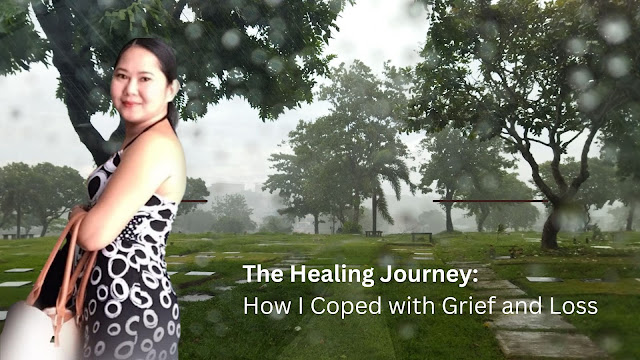
The Healing Journey: How I Coped with Grief and Loss

Thursday, October 27


I first experienced loss of a loved one when my grandmother passed away. I was in Grade 3. I remember feeling sad. But it was not painful. It was very different when my mother passed away in 2010. She was battling breast cancer and even though I knew she will not get well, it was still very difficult to accept her death. I didn't expect the intensity of the grief. The pain was excruciating as well as numbing. My father's death was another level of emotional suffering. He was already discharged to go home and suddenly he had pulmonary embolism. I felt angry, betrayed, shocked, and confused.

For years, I consciously avoid knowing the exact date of my parents death. I was in denial. I still am. I know that grieving is a natural response when a loved one is taken away. I thought that the pain will go away faster if I ignore it. 

People grieve differently

Grieving is a personal experience. You can never and must never compare your grieving process with another person. Psychiatrist Elisabeth Kübler-Ross introduced the five stages of grief based on her studies of terminally ill patients.


Not everyone who is grieving goes through all of these stages. It is also not true that you must go through each stage in order to heal faster. I actually did not go through these stages in a sequential order.  There are times that I would go back to denial or anger. 

The Healing Journey

Healing cannot be forced. It cannot be rushed. I wasn't aware that my grieving has already led to anxiety and depression. It was only when my husband told me "I miss the wife that I know. I miss your smile." that I realized my grief has taken out the life in me. 


I cried all the time. I barely got out of bed. I stopped working. I was awake all  night and forced myself to sleep all day. I was a mess. 

I NEED HELP.

The moment I acknowledged that I do not need to grieve alone, I learned that my family and friends have been waiting for me to open up. I was always so proud of being strong and independent. I then reached out to loved ones instead of avoiding them.

I also started taking care of myself. I joined Zumba classes. I made sure I was getting enough sleep and nourishing my body. 

My healing journey was not an easy one. It was a rollercoaster ride. There were difficult periods just when I thought I was already okay.  "Grief triggers" such as birthdays, anniversaries, holidays, and family vacations reawaken the pain and feeling of longing to be with my parents. And then I find myself walloping again. 

When my emotions became confusing and too much to bear, I seek the help of a health professional.

When to seek professional help

I was already having suicidal thoughts and it was scary because I was starting to believe that ending my life was the only way to free me from loneliness.  I also felt like I did not do everything I can to prevent my parents from dying. I was a failure and my life isn't worth living. 

You should seek professional help if you blame yourself for the loss of your loved ones all the time and you can no longer perform your normal daily activities. 

Mind Care Counseling

If you aren’t feeling better for almost a year, or your grief is getting worse, don't hesitate to see a counselor. I know that most Filipinos are hesitant to go to a psychologist because of the stigma associated with mental health. There's a tendency to be looked differently by members of the family or friends. You can opt of teleconsultation at the privacy of your room. 


Mind Care Counseling provides a one-time (1) teleconsultation with a PhilCare Physician and one-time (1) virtual counseling session with a Mind Care Counselor through the HeyPhil DigiMed app. It includes a mental health screening survey, viewing of results, counseling activities, and more.


Mind Care PRO is a single-use 2-in-1 health plan that allows you to have a 50-minute counseling session/consultation with a PhilCare Psychologist and a consultation with a DigiMed PLUS Specialist through the PhilCare Member Gateway. This Certificate of Coverage is valid within one (1) year upon purchase. If cancellation is made less than 24 hours from the scheduled appointment, benefit shall already be considered utilized.


Mind Care Plus is a single-use psychiatric consult plan availed through PhilCare Member Gateway. It covers a 50-minute telemed consultation with a psychiatrist for mental concerns like schizophrenia, PTSD, delusional disorders, and the like. This Certificate of Coverage is valid within one (1) year upon purchase. If cancellation is made less than 24 hours from the scheduled appointment, benefit shall already be considered utilized. 

  • A referral to mental or medical health facilities or other medical or mental health professionals
  • Psychiatric evaluation and management; medical prescription if necessary
  • Endorsement for lab tests/procedures to clinics if necessary

There is no right or wrong way to grieve. There is also no timetable to heal. But there are ways to go through grieving that are proven effective and helpful to cope with the pain associated with the loss. Cry if you must. Talk about it. Never deny your feelings. Instead, get in touch with the different emotions of your grief. 


Read More

Connected Women secures partnership with Infinit Care to provide mental health support for 75,000-strong community

Monday, March 28


In an effort to ensure women’s overall health and well-being during these challenging times, Connected Women partners with Infinit Care to provide comprehensive and customized mental health support to its community


In celebration of International Women’s Month this March, Connected Women, a global community of women empowered by technology, has secured a partnership with Infinit Care to provide free access to a tech-based mental health platform for its community. Infinit Care is a mental health-tech company that works with businesses and organizations to provide their employees and community with comprehensive mental health support. 

Through this initiative, the platform will provide access to potentially 75,000 women all over the Philippines. The Connected Women community will be given access to self-care tools and resources (content and daily check-in tracking), 24/7 chat support, and customized mental health education and training sessions delivered virtually through webinars. 

Women’s mental health struggles

The pandemic has taken its toll on people's mental health, especially on women. The World Health Organization found that mental illness is prevalent in the Philippines. In fact, it is the third most common disability in the country.[1] The National Center for Mental Health also recorded a 500% increase in monthly hotline calls due to depression during the pandemic.[2]

Gina Romero

“Our Connected Women members reach out to us every day as they struggle to navigate the impact of the pandemic on their work and personal lives," shared Gina Romero, Co-Founder and CEO of Connected Women.

Romero also talked about how women are more prone to mental health challenges compared to men. "According to CARE International’s Rapid Gender Analysis on the impact of the pandemic across 38 countries, the number of women who reported mental health challenges was three times more than men, with over a quarter of women reporting increased mental health struggles including stress and anxiety."

Women helping one another

Infinit Care hopes to provide more comprehensive support to women through this partnership.

Rudi Ramin

 "Everyone needs different kinds of care at different times. By partnering with Connected Women, we hope to offer accessible customized care that will help each and every community member better understand and take control of their mental wellbeing,” said Infinit Care CEO, Rudi Ramin.

"Our partnership with Infinit Care means the women in our community will have access to professional mental health first aid whenever they need someone to talk to. We are immensely grateful to Infinit Care for extending this generous and much needed support,” added Romero.

Anne Ordona

Infinit Care General Manager, Anne Ordona, shared how significant the program is to her, and how important it was that women support each other. “As a woman in business juggling many other roles and responsibilities such as daughter, sister, wife, mother, teacher, breadwinner,– I am intimately familiar with the mental load women carry on a daily basis," she explained. "The hope is that through this partnership, ConnectedWomen and Infinit Care can bring real support to the Connected Women community and help women overcome challenges like stress, anxiety, depression. It’s not about enabling women to do it all–it’s about leaning on each other and supporting one another so we can show up the best way we can.”

Join connected women to get updates about access to the app: www.connectedwomen.co/join

For more information on Infinit Care, visit https://www.infinitcare.co


[1] Martinez, A.B., Co, M., Lau, J. et al. Filipino help-seeking for mental health problems and associated barriers and facilitators: a systematic review. Soc Psychiatry Psychiatr Epidemiol 55, 1397–1413 (2020). https://doi.org/10.1007/s00127-020-01937-2


[2] World Health Organization. (n.d.). Doh and who promote holistic mental health wellness in light of World Suicide Prevention Day. World Health Organization. Retrieved March 24, 2022, from https://www.who.int/philippines/news/detail/10-09-2020-doh-and-who-promote-holistic-mental-health-wellness-in-light-of-world-suicide-prevention-day


Read More

How can you enhance your state of mind?

Friday, December 3

enhancing state of mind

In the current climate, a lot of people are going to be struggling with anxiety and their state of mind. Feelings of isolation and unchecked anxiety can arise due to information overload, panic over scarce resources, indefinite isolation, capsized plans, and the general uncertainty about the future. It’s the perfect cocktail for negative thoughts to spiral out of control, which is why it is important to take steps to try and stay in the right frame of mind during the pandemic.

With that being said, let’s take a look at some key pieces of advice and some activities to try during periods of stress or isolation. 

View this as a time to focus on you and your home

The first thing you need to do is try to reframe your way of thinking. This is especially the case for those who are in isolation at the moment. Instead of viewing this period as being “stuck inside,” you should see it as a time to focus on yourself and your home. You can refocus your attention on the internal, rather than being focused on the external. You will develop a more positive attitude if you commit to doing one productive thing every day. Set yourself on tasks you have avoided for a long period of time. This is a unique chance for you to do things you’ve been meaning to do for ages. You will feel much better afterwards.

Consider whether there is something else going on in your body

There are a lot of different reasons why people feel stressed, anxious, depressed, and low in general. This could be because you have something else going on in your body, such as a hormone imbalance. The best thing to do here would be to have a low testosterone diagnosis. From there, you may be able to have some sort of treatment to help you feel more balanced and in a place of zen again.

Organise your home

One of the best things you can do during this period is to organise your home. This is beneficial because a chaotic house can result in a chaotic mind. Keeping your home clean, predictable, and organised can make a massive difference. Set up mental zones for daily activities so that your day is more organised. For example, don’t eat your meals in bed or on the sofa. Eat them at the kitchen table. 

Repeat positive affirmations

Aside from the suggestions that we have mentioned so far, another way that you can improve your state of mind is by practising positive affirmations. This involves repeating phrases into the mirror on a daily basis that can make you feel good about yourself. For example, you can tell yourself you are amazing when looking in the mirror every morning. Yes, it may feel a little bit strange at first. However, once you repeat this again, again, and again every morning, you will start to believe it, and it is going to make you feel a lot better about yourself. 

Enjoy new activities

Rather than obsessing over the news and reading conspiracy theories online about the virus, why not dedicate your time to something new? You could start a new journal, for example. Or, why not set up a canvas and do some painting? From baking to arts and crafts; you’re bound to find something that appeals to you. It could be something as simple as connecting with a loved one on FaceTime or reading a book.

Stick with your normal routine as much as you can

It is important to try and have some structure. Although you can, you shouldn’t spend all morning in bed. Instead, you need to make sure your day has a routine. Try to wake up and go to bed at the same time. You should also shower, eat meals, and adapt your exercise routine. Don’t stay in your PJ’s all day long either! 

Final words on some of the different things that you can do to improve your state of mind during this difficult period of time

So there you have it: some of the steps to follow when it comes to getting into the right frame of mind and dealing with anxiety during this difficult period. We hope that the pieces of advice that have been provided above will help you to deal with anxiety and any other challenging emotions and feelings that you experience during the lockdown period. 


Read More

Building a home of storytellers through PLDT and Smart’s mental health initiative

Friday, June 25


A 16-year-old incoming senior high school, a mental health survivor, an online ESL teacher and a K-pop fan. They are the four winners of PLDT and Smart’s Better Today Time Capsule Project, a mental health initiative that focuses on art as a form of catharsis. 

The winners received a ‘meaningful connections boost’, which is a connectivity package from Smart worth P25,000. Each winner also had an opportunity to give a ‘community changemaking boost’, which is a matching donation for their favorite mental health charity or advocacy group. 

“In PLDT and Smart, through our Time Capsule Project, we hope to inspire a generation of changemakers and advocates. We want to give every Filipino Youth a chance to tell their story. This is the legacy that we are building: a home of storytellers who find their voice and speak their own truth— in every way possible and in all forms. All these serve as a valid reflection of our time today,” said PLDT and Smart FVP and Group Corporate Communications Head Cathy Yap-Yang. 

Healing takes time 

25-year-old AMarie V is a writer and a big K-pop fan. While she was scrolling through her Facebook news feed, she chanced upon the Time Capsule Project and decided to enter the competition. Her entry called, ‘The Moon Princess’ is a short story about hope where the main character endures hard times and is reminded of her strength. 

“Like the moon princess, everyone radiates their own light – their passion, dreams, hope, faith, and love. But because of the challenges we encounter, sometimes, it’s hard to be okay all the time,” AMarie V said. “Like the moon princess, we will experience this kind of season. But, we will always have those people who will remind us to stand up and live happily again. We just need to embrace this phase and keep on trying and not give up,” 

According to AMarie V, the Time Capsule Project enabled her to be honest with her feelings. “Once we acknowledge our weaknesses and that we need help, healing starts. So, through this Time Capsule journey, I was able to free myself. And it feels good,” AMarie V said. 

She chose the Light of Jesus Pastoral Care Center as the recipient of her community changemaking boost. It is a ministry who provides free sessions for emotionally and spiritually wounded. 

Appreciating the simple things 

16-year-old Gabrielle is an incoming senior high school whose dream is to become a graphic designer. Her visual art, which is a short comic strip, about her furry little friend Splatt won her a place in the Time Capsule Project. 

“My dog keeps my family and I happy every day. When I think about how our lives were before having him, I can easily see that he has brought joy into our family,” Gabrielle said. 

According to Gabrielle, the Time Capsule Project encouraged her to hone her skills as she created her art. She ended up expressing her feelings through the comic. For her, making the art felt therapeutic. 

Gabrielle gave a community changemaking boost to the Anxiety and Depression Support Philippines, which is a support group community and a mental health initiative run by volunteers. 

Embracing grief, moving forward 

Carlos Ilustrado shares her personal story on hope and resilience. She embraced what she was feeling the past year after losing her father. She wanted to tell her story as a way to reach out to other people who may share the same experience. She wanted to remind them that they’re not alone. 

“I'm often lost but I was truly lost when my father died – having him taken away is like losing a limb. I was angry, but I wasn't alone. I have my family and I still have myself. I want to make my father proud, even if he's not here anymore,” Carlos Ilustrado said. 

For Carlos Ilustrado, writing is her way of expressing her feelings and emotions. “It's a choice to move forward. We're not meant to be in one place. Life goes on and it's best to hold on to memories so we can move forward,” Carlos Ilustrado said. 

Carlos Ilustrado chose to share the community changemaking boost to the Boxless Society, which is a growing community and support group for artists who are diagnosed with mental health conditions. 

Championing mental health 

Zcyra Mae is currently studying dentistry at the University of the East. She is a mental health survivor and advocate. She found out about the Time Capsule Project through the Youth for Mental Health Coalition, Inc. “I decided to join because I wanted people to know that even in the darkest times, storms will pass and the sun will shine again,” Zcyra Mae said. 

Zcyra Mae’s poem called, ‘Dreams to Wake Up for’ is inspired by her dream of becoming an Oral and Maxillofacial Surgeon. According to her, ever since she was a child, she dreamt of serving people and alleviating their pain. 

In 2017, Zcrya Mae’s mental health deteriorated, which she felt was her rock bottom. She had to file for a leave of absence and drop some of her classes. The Time Capsule journey helped Zcyra Mae to bravely share her story. “It created an opportunity for me to write a poem which is a big part of my soul. Writing made me feel at home in my safe haven. It became a form of catharsis ever since I discovered that I could release my repressed emotions through writing, I started using it as one of my healthy coping mechanisms,” Zcyra Mae said. 

Zcyra Mae donated her community changemaking boost to the Youth for Mental Health Coalition, Inc., which is one of the country’s largest mental health advocacy groups.

Read More

Online games that promote healthy brain aging

Tuesday, May 11


How many times have you heard people asking, "Aren't you too old to play online games?" There's a notion that gaming is just for the young and somewhat irresponsible and a waste of time. However, studies have shown that playing online games promote healthy brain aging.  The brain goes through changes as we age. It is inevitable but we can delay the decline of the brain function. 

Our cognitive skills decline as we reach midlife. Most common cognitive disabilities include memory loss and attention deficit. I'm turning 45 in a few months and I have noticed signs of these two disabilities. The pandemic has limited the activities I can do. It's a challenging and difficult time but it doesn't mean that I will let my mental wellness suffer. 


My favorite brain training activity is playing pattern games online. I discovered this while browsing the net for free online games to play. I devote at least an hour each day.  I usually play this before starting my work. I have the tendency to get overwhelmed when I have too much tasks to do in a day. Pattern games make me more focused. 


Another online game I find enjoyable is a word search game. I find it stimulating for my brain whenever I experience a writer's block. 


I also discovered a new game that challenges my decision-making skill. The 2 Minutes to Escape is a graphic 8-bit styled escape game where a player is given only 2 minutes to escape a rocket before it blows up. 

In an article published by Frontiers in Neuroscience, strategy games require players to quickly decide on a course of action, and then execute that action in real-time context. This can improve the brain's decision-making ability. 


I have also started playing the 8-Bit Dungeon Knight and Shadoworld Adventure during weekends. But I make sure I maintain my 1-hour game time. Remember, too much of the good stuff is bad. 

If there's something good that this pandemic has brought us, it's the time we get to spend at home. We always complain of not having enough time to relax or do the things we want to do, now we don't have to worry about getting caught in the traffic and wasting our time. Let us make good use of the "extra" time by taking care of our mental health and achieving healthy brain aging. 


Read More

PLDT, Smart inspire hope through mental health campaign

Thursday, May 6


With the COVID-19 pandemic posing an extraordinary impact on our world today, PLDT and Smart, through its Better Today program, launched the “Time Capsule Project”. 

The project is a platform where today’s generation of changemakers and mental health advocates create capsules of self-reflection and creative expressions. It is part of a series of mental health initiatives to be implemented all through May, in celebration of the Mental Health Awareness Month. 

The Time Capsule Project champions mental health awareness amid the pandemic. It empowers the youth to take a deep dive into their current mental health state by expressing these thoughts, feelings, hopes and dreams through the power of art. These can be done through various forms such as drawings, paintings, poetry, or prose. PLDT and Smart recognize these as important and valid reflections of our time today. These serve as valuable lessons to learn in hopes for a better tomorrow. 

This project is one of the key components of Better Today, which is a collaborative initiative and platform of PLDT and Smart in line with its advocacy to educate and empower Filipinos towards digital well-being, family and child online safety, and youth empowerment and changemaking. 

The creation of time capsules is anchored on Better Today’s key narrative, which include passion and purpose, resilience, empathy and hope. These are things that enable us to become better versions of ourselves, enabling us to cope amid these dark and uncertain times. 

Aside from art entries, the Time Capsule Project also include other mental health initiatives such as the visual arts and writing workshop and a virtual storytelling series on mental health called, “Better Today Conversations”. 

Some of the changemakers and storytellers who will provide their messages of hope, include Words Anonymous, clinical experts from the World Health Organization (WHO) and the National Center for Mental Health (NCMH) and advocacy groups such as MentalHealthPh and Youth for Mental Health Coalition. 

To know more about the Time Capsule Project and the details on how to join the art festival, please follow Better Today PH at (@bettertodayph) on Facebook, Twitter, Instagram and YouTube.

Read More

Mindscapes gives Filipinos better access to affordable mental health care plan

Friday, April 30


Even before the COVID-19 pandemic, there is already a growing need for easy access to affordable mental healthcare for those suffering from stress, anxiety, and undiagnosed or untreated mental health conditions. 

In fact, per 2017 data, the World Health Organization estimates that six million Filipinos are living with depression and anxiety. That number may have grown as the pandemic and the subsequent lockdowns forced people to stay indoors for months. 

Meanwhile, nine out of ten Filipinos said they had a poorer state of mental health during the first lockdowns in 2020, based on the PhilCare Community Quarantine Wellness Index. This perhaps rings truer, with rising COVID-19 cases over a year into the pandemic. 

Interestingly, nine out of ten also said they were afraid of a “second wave” of infections at the time the study was conducted. 

To help address this growing concern among Filipinos, PhilCare introduces Mindscapes, a new mental health service, which was launched to give customizable and scalable programs to individuals and companies that wish to support their employees through their mental wellness journey. 

Derived from the phrase "mental landscape," which focuses on all aspects of a person’s mind and its capabilities, Mindscapes seeks to deliver the best care possible for those with mental health concerns to achieve overall well-being. 

Using a tech-enabled platform, Mindscapes provides clients with convenient and secure access to mental wellness benefits to make sure that they feel safe when they seek help. 

With Mindscapes, individuals can avail of affordable prepaid health plan products, specifically through MindCare and MindCare PLUS. Both provide for counseling sessions or telemed sessions with a counselor and a psychiatrist, if necessary. 

MindCare services can be accessed using the HeyPhil app, while MindCare PLUS, which offers video consultations, is accessible via PhilCare’s Member Gateway at www.philcare.com.ph

Both MindCare and MindCare PLUS are available for PhilCare and non-PhilCare members. Non-members may purchase a prepaid MindCare mental health plan for Php1,000 and MindCare PLUS for Php3,000 at https://shop.philcare.com.ph/

Aside from services for individuals, Mindscapes caters to corporate clients, offering a wide array of services that help identify and address mental health challenges in the workplace. Companies can opt to include coverage for in-app consultations and counseling for their employees, have access to mental health policy development assistance, program monitoring, webinars, and educational materials and resources. Mindscapes also provides testing services for companies to determine employees’ needs through an assessment of their psychological state. 

Mindscapes is the brainchild of Jaeger L. Tanco, a known figure in the healthcare and financial services sector. As one of Mindscapes’ main proponents, he sees it as a project that can help many Filipinos to have easy access to affordable mental health services, especially with such concerns spiking during the pandemic-induced lockdowns. 

“Throughout my years in business, we have met colleagues and partners who have struggled from stress, anxiety, and other mental health problems. And it’s very saddening to think that there are more people out there who are suffering but can’t afford help. It’s one of the reasons why we’ve developed Mindscapes. We want to let people know that everyone deserves better mental health care,” said Tanco, who serves as PhilCare’s President and CEO. 

“We’re glad to offer a technology-based solution in Mindscapes that can help quickly address the growing need for mental health services in our country. Through our artificial intelligence-powered applications, we hope to provide faster and greater access to people who need this kind of care the most, especially that the pandemic is far from over. We’d like to give them hope in our own way,” said PhilCare Director Eusebio H. Tanco. 

For more information about Mindscapes, visit http://mindscapes.com.ph/.

Read More

Advocacy Program Raises Mental Illness Awareness In The Philippines

Friday, July 1


It’s a sad reality that in the Philippines, there’s an undeniable stigma with families whose one or more members are suspected to be suffering from mental illness. Most are hesitant to go to a psychiatrist for consultation because once the people around them find out about it, there’s a tendency to be looked at differently -- to be considered not normal.

This, according to Edmundo Isidro, president of Open Minds Foundation, is a crucial factor why mental health continues to be a growing problem in the country. “Stigma against mental illness can only be addressed by promoting education and awareness about it among individuals, families and communities,” Isidro said.

For people suffering from mental health problems, the social stigma attached to their illness can make it even harder to recover. Their conditions are also made worse with the discrimination they experience not just from the society but from their families and friends as well. Recognizing this, Open Minds Foundation seeks to have relatives and friends of mentally ill patients gain a deeper understanding of mental illnesses, as well as help and train them to find ways to cope. The support group’s objectives also complement other private efforts, such as an advocacy program dubbed as the “Patient’s Equity to Support ‘Out-of-Pocket Expense’ Value” (PESO Value). Funded by Johnson & Johnson (Philippines), Inc., (JJPI), it seeks to develop models of healthcare financing including for mental illness. 

Since 2002, Open Minds Foundation has been hosting a forum each month at the Quezon City General Hospital, wherein they invite a psychiatrist to talk about mental illness on specific topics. Their participants, composed of 30 to 40 patients and caregivers, learn more about schizophrenia, depression, bipolar, anxiety, among others. In addition, the support group also has a regular radio program to reach out to more mental ill patients and their families, as well as a call center that provides a directory of psychiatrists. Through these efforts, they hope to make the public aware that mental illness is a disease that is curable and can be managed, Isidro said.

Consulting a psychiatrist is what saved the life of a 36-year-old mental patient diagnosed with schizophrenia, whose name will not be divulged for personal reasons. According to his mother, who also wishes to remain anonymous, she sought help for her son when he was in his early 20s, after he manifested unusual behavior, such as having difficulty in sleeping, shaving his hair and physically hurting himself and other people. The family could not pinpoint the exact reason that triggered the mental illness, but they suspect it was because of the high expectations set on him as the eldest, or the stress that he experienced from work. Prior to his diagnosis, the patient was working as a mechanic in one of the country’s leading automotive companies.

Stress was also one of the factors that led to the bipolar disorder of a 46-year-old mentally ill patient, who will also not be named. A widow with four sons, she believes her condition started as early as in her 20s, when she worked as an all-around maid for her relative. Over fatigue took a toll not only on her physical health but on her mental well-being as well, which was worsened by her marital problems. These led her to be depressed, and after going to the hospital for her goiter, she was recommended to seek the help of a psychiatrist. According to her, she displayed odd behavior, such as being too talkative. 

Isidro confirmed that stress could be one of the triggers of mental illness. In fact, there is an upsurge of mental illness because of work schedules and unhealthy lifestyles, according to him. He reiterated, however, the importance of consulting a psychiatrist or a doctor to correct their mental health. In both cases, the two patients are taking medications to stabilize their conditions, upon the recommendation of their doctors. While the cost is considerably expensive, they opt for quality medicines to ensure efficacy, so they only take it once a day.

More than the financial support for hospital confinement or to buy medicines, mental ill patients need the utmost understanding of their families who usually are their caregivers. In the case of the 46-year-old bipolar, it took a long time for her family to accept her condition, mostly because they were embarrassed. The 36-year-old schizophrenic, on the other hand, do not experience the empathy of his friends, who do not understand his situation.

Support groups such as Open Minds Foundation and efforts such as the PESO VALUE aim to free mentally ill patients from the social stigma and discrimination, which can trap them in a cycle of illness. With the help of various advocacy programs focused on mental illness, patients not only have higher chances of managing their mental health, but of recovering fully.


Read More

Into The Light Project: Results From Philippine Health Information System on Mental Health Condition

Monday, June 8


Stakeholders of the Into The Light Project hosted a round table discussion last June 5, 2015 at the Muralla Ballroom of the Bayleaf Hotel in Intramuros, Manila. Representatives from different sectors were invited to participate in the said event.

Into The Light is a milestone partnership project that focuses on the creation and development of the country's first-ever information system on mental health. The system aims to generate consistent and reliable information to assess, address and improve the health situation of Filipinos suffering from mental illnesses.


Mr. Wigbert Fontanilla
Country Director - Hospital Channel of Johnson & Johnson Philippines

The Philippine Health Information System on Mental Health Conditions (PHIC-MH) was launched last July 2014. The multi-sector group partners and collaborators include the Department of Health, Institute of Clinical Epidemiology and proponents of Schizophrenia Study Group, National Institutes of Health, University of the Philippines Manila, members of the Technical Working Group and the Philippine Psychiatric Association. 

In the opening remarks of Mr. Wigbert Fontanilla, Country Director of Johnson & Johnson Philippines, he mentioned that because of the lack of information system on mental health in the Philippines we don't know how big the problem is. Janssen Pharmaceutical Companies of Johnson & Johnson through a grant funded the Into The Light project. The system was setup in 14 public and private health institutions across the country. Mr. Fontanilla also emphasized the need to sustain the project.


Dr. Beverly Azucena
OIC Medical Director National Center for Mental Health

Current Mental Health

Dr. Beverly Azucena, OIC Medical Director of National Center for Mental Health presented the National Framework for Action on Mental Health and the Stages of Development in Mental Health. 

Stages of Development in Mental Health:

Hospital Model --> Rehabilitation Model --> Integrative Model --> Recovery Model

Under the Kalusugan Pangkalahatan, the vision is mainstreaming mental health in daily life. The Philippines has not yet reached the Recovery Model wherein the patients are included back into the community to lead a productive life. There's an effort to integrate the mental health services in the community but most health practitioners cannot practice in the provinces because of lack of plantilla.


Dr. Ernie Vera,
Division Chief, Non-Communicable Diseases Department of Health

Dr. Ernie Vera talked about the DOH's current programs on mental health. He said that the role of the Department of Health is policy development and the implementation lies on the hands of the local government. He also stressed the importance of the information system.


Dr. Eva Maria Cutiongco - dela Paz,
Vice Chancellor for Research, Executive Director
National Institutes of Health, UP Manila

Dr. Eva Maria Cutiongco - dela Paz discussed the role of National Institutes of Health (NIH) in health system strengthening through health information systems. According to her, there is still no mental health legislation in the Philippines. Also, only 5% of the total budget of DOH is spent on mental health. In terms of human resource, there are only 3.5 working on mental health for every 100,000 population.


Prof. Maria Lourdes Amarillo,
Project Leader, PHIS-MH Project
Institute of Clinical Epidemiology, National Institutes of Health


The Philippine Health Information System on Mental Health or the Into The Light Project started in December 2013 and was launched in July 2014. A total of 113 participants were trained on the use of the software and data collection. Prof. Amarillo stressed that confidentiality of the patient's identity will be protected. The data of each patient will be bar-coded offline and when uploaded to the online system. The information entered into the system can generate reports that will help provide better standardized data. 

"The need to sustain this system is imperative so as to further provide meaningful data for evidence-based policies and programs in the future," Prof. Amarillo of the ICE-NIH-UPM explained.


Dr. Tomas Bautista
Psychiatrist, UP-Philippine General Hospital

The Results of the Pilot Implementation of PHIS-MH

Data coming from 2,500 out of 11,000 information sheets distributed among the 14 institutions involved for the one year period May 8, 2014 to May 6, 2015 revealed the following findings:

  • 42% of patients were living with schizophrenia, 15% suffer from bipolar disorder and 6% are into substance abuse. Other disorders listed are major depressive disorder, anxiety disorder, schizoaffective disorder, acute and transient disorder and stimulant related disorder.
  • 60% of the recorded patients were between the ages of 20 to 44.
  • 57% were males while 43% were females.
  • 22% are covered by PhilHealth either as members (13%) or dependents (9%). 29% do not have PhilHealth coverage while 49% did not indicate their PhilHealth status.
  • more than 25% of the patients were recorded to be between "mildly" or "markedly" ill.
"This new data validates the general information we have on mental illnesses but what it reveals now is that many patients are in their productive years. Appropriate medical interventions are much needed to help ensure these patients regain productivity," said psychiatrist Dr. Tomas Bautista of UP-PGH, one of the leads in the project.


The following reactors from different sector shared their thoughts on the mental health status in the country:

  • Philippine Psychiatric Association
  • Ms. Laureen Cunanan, Southern Philippine Medical Center (SPMC-IPBM), Davao City
  • Ms. Perlita Opena speaking in behalf of Dr. Montoya, DOST - Philippine Council for Health Research and Development
  • Mr. Jacinto Blas Mantaring, Chair, UP Manila, UP Review and Ethics Board
  • Dr. Maria Minerva Calimag, President - Philippine Medical Association
  • PhilHealth
  • WHO
  • Mr. Raymond Marquez, Hospicio de San Juan de Dios
  • Ms. Sally Bongalonta, Alliance of Filipino Families for Mental Health
  • Rolando, Manic-Depressive Patient
  • Jaime, Patient
Ms. Sally Bongalonta of the Alliance of Filipino Families for Mental Health Inc., said "we need to integrate mental health care in the Philippines. Right now, medical assistance is given only through the Medicine Assistance Program (MAP) of the DOH. Indigent patients who have been referred to the National Center for Mental Health (NCMH) and Philippine Mental Health Association (PMHA) have also received help. Some religious and private organizations are also giving assistance but we need a more sustainable and consistent approach involving appropriate medical care. For example, psychosocial rehabilitation services are needed in addition to medical assistance to reintegrate patients back to their families and society. This is needed to fight the stigma attached to individuals affected with mental conditions."

Rolando, a patient who was able to reintegrate into the community shared his 6 Keys to Recovery:
  1. Spirituality
  2. Education
  3. Medicines / Doctors / Other Health Professionals
  4. Family Support / Family Support Group
  5. Cultivation of Talent(s)
  6. Willpower and Responsibility


USec. Vicente Belizario Jr.
Technical Services, Department of Health

USec. Vicente Belizario Jr. has expressed support in the legislation of mental health in the country and believe in the need for additional budget allocation. He said that the data being gathered by the PHIS-MH is very important to provide the information for creating programs by the DOH.

"Mental Health is one of the major programs of the Department of Health. In fact, we have been pushing for the passage of the Mental Health Act and this is one of the issues to be tackled by the Philippines in the APEC Ministerial Meeting in November," USec. Belizario said.


USec. Vicente Belizario Jr of the Department of Health and Mr. Wigbert Fontanilla, Country Director of Johnson & Johnson were the first to sign the Into The Light Project Commitment Wall.


Read More
...